

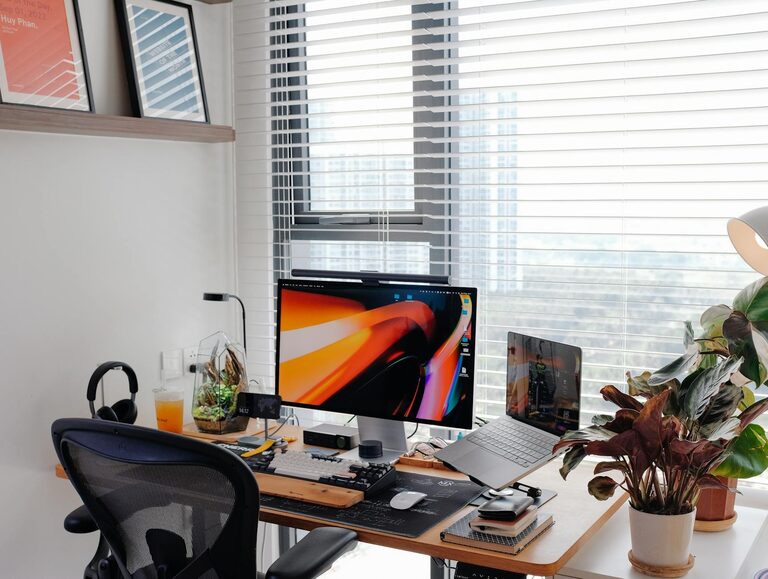
Working from home has become a common part of many people’s routines. Whether you are a remote employee, freelancer, or entrepreneur, having a productive home office environment can make a big difference in your work quality and overall well-being. Setting up a workspace that supports focus, comfort, and efficiency doesn’t have to be complicated or expensive. This guide offers helpful tips to create a home office where you can thrive.
Choose the Right Location
Find a Quiet, Dedicated Space
The first step in creating a productive home office is choosing a dedicated spot for your work. Ideally, select a room or corner that is away from household distractions. A quiet area allows you to concentrate without interruptions.
Consider Natural Light
Natural light can boost mood and energy levels. Try to place your desk near a window to enjoy daylight. If natural light is limited, invest in good quality artificial lighting to avoid eye strain.
Invest in Ergonomic Furniture
Select a Comfortable Chair
A supportive office chair is essential to maintain good posture and prevent back pain. Look for adjustable chairs that offer lumbar support and allow you to sit comfortably for long periods.
Use an Appropriate Desk
Choose a desk that fits your workspace and accommodates your equipment. A desk with enough surface area helps keep your materials organized and within reach.
Add Ergonomic Accessories
Consider using ergonomic accessories such as a keyboard tray, monitor stand, or a footrest. These tools can reduce strain on your body and improve comfort.
Organize Your Workspace
Declutter Regularly
A tidy desk promotes focus and reduces stress. Keep only essential items on your desktop and store other materials in drawers or shelves.
Use Storage Solutions
Invest in organizers, filing cabinets, or shelves to keep documents and supplies neat. Label storage containers for easy access.
Create a Filing System
Maintain digital or physical files in a structured system. This saves time and prevents losing important information.
Minimize Distractions
Set Boundaries with Others
If you live with family or roommates, communicate your working hours and request quiet during those times. Using signs or closing the door may help signal when you are busy.
Limit Interruptions from Technology
Turn off non-work-related notifications on your phone or computer. Consider apps that block distracting websites during work hours.
Enhance Your Workspace Atmosphere
Personalize Smartly
Add a few personal touches like photos, plants, or artwork to make your space inviting. However, avoid cluttering your desk with too many decorations.
Control Noise Levels
Listen to calming background music or white noise if it helps you focus. Alternatively, noise-cancelling headphones can reduce external sounds.
Maintain Comfortable Temperature and Ventilation
Keep your workspace at a comfortable temperature and ensure good airflow. Fresh air can help you stay alert and refreshed.
Create a Daily Routine
Set Clear Working Hours
Having regular start and finish times helps separate work from personal life. Stick to your schedule to maintain work-life balance.
Plan Breaks
Take short breaks every hour to stretch, walk, or relax your eyes. Breaks improve concentration and prevent burnout.
Prioritize Tasks
Use to-do lists or planning apps to organize your workload. Tackle the most important or challenging tasks early in the day.
Use Technology Wisely
Equip Proper Tools
Ensure you have reliable internet, a good quality computer, and necessary software or apps for your job.
Backup Your Data
Regularly save your work and use cloud storage or external drives for backup. This prevents data loss and keeps your work secure.
Maintain Healthy Habits
Stay Hydrated and Nourished
Keep water and healthy snacks nearby. Proper hydration and nutrition support energy and focus.
Incorporate Movement
Include short exercises or stretches in your routine. Moving your body reduces tension and improves well-being.
—
Creating a productive home office environment is about balancing comfort, organization, and focus. By following these tips, you can build a workspace that supports your workflow and helps you enjoy working from home. Remember, small changes can have a big impact on your productivity and happiness.